How can smaller manufacturers get better access to skills support? This was a central question when the Lancashire and Cumbria Institute of Technology (L&CIoT) joined advanced manufacturing partners from across the IoT network.
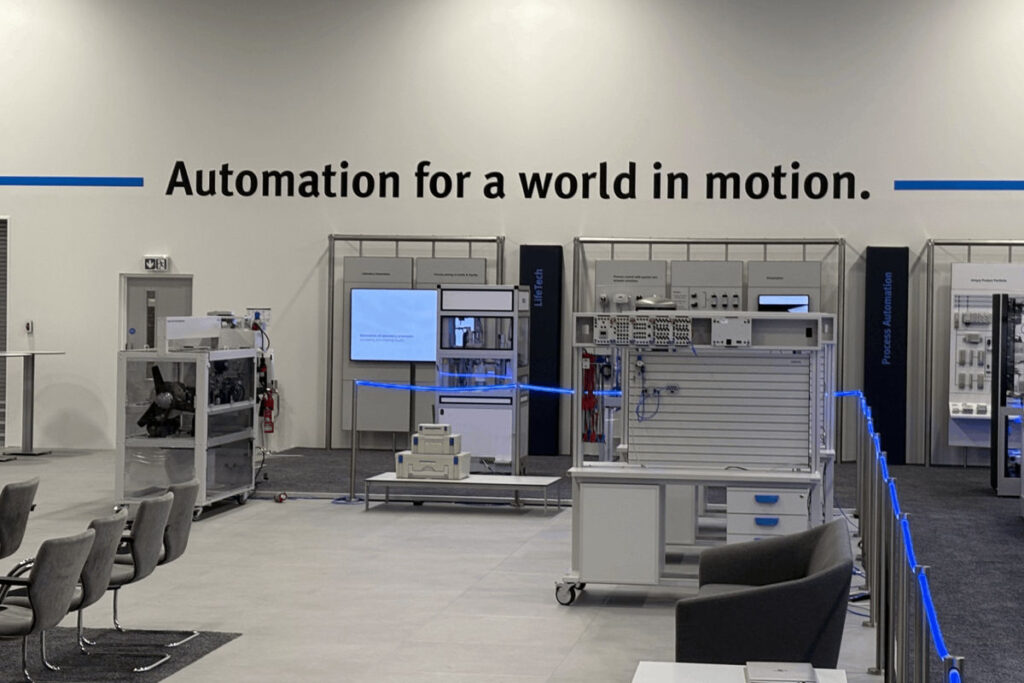
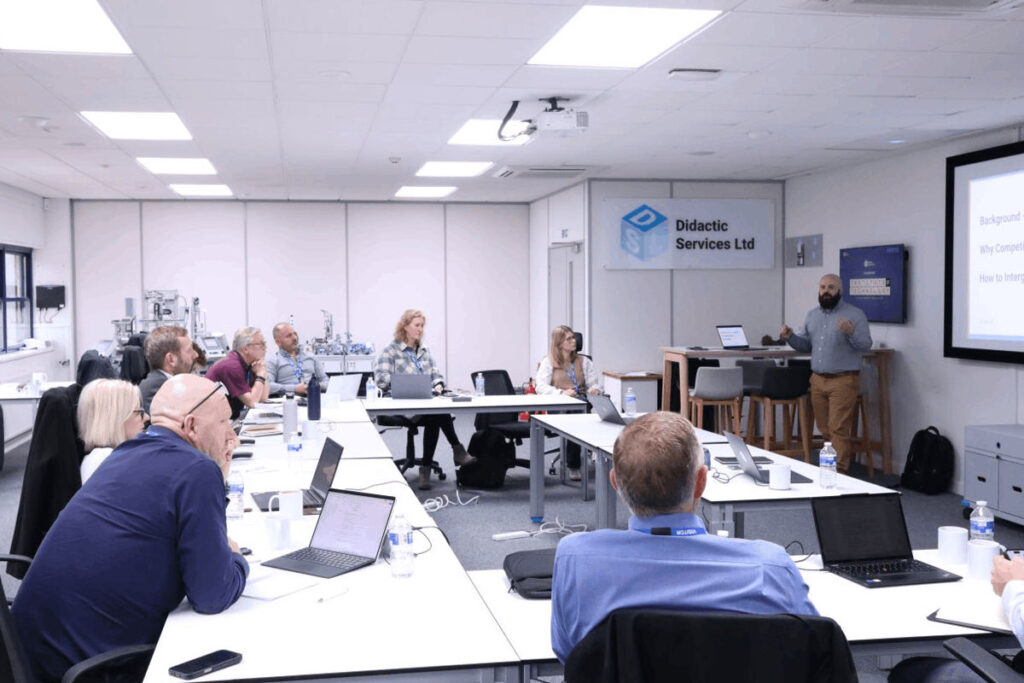
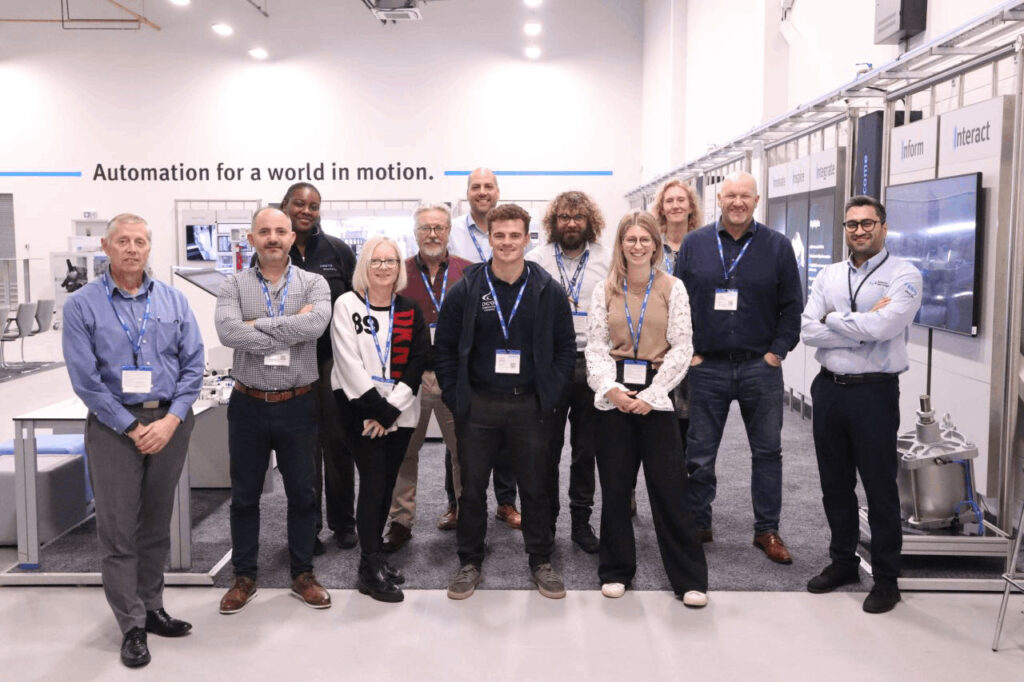
Neil Burrows, director of skills and business development at Burnley College, represented the L&CIoT at the latest IoT Advanced Manufacturing Alliance meeting, held at Didactic Services in Northampton.
The day set out shared priorities for the year ahead, with sessions on engaging SMEs, collaborating on qualifications and staff development, and using skills competitions as part of teaching.
Stuart Edwards OBE, an independent adviser focusing on education, technology skills and manufacturing, opened the discussion on SMEs by presenting his findings on behalf of the Gatsby Charitable Foundation. These were discussed alongside first-hand experience from colleges across the network.
Smaller firms often want to invest in their workforce, but time pressures, limited resources and a crowded skills landscape can hold them back. Members talked through how colleges and IoTs could make support simpler to access and more flexible, while giving employers a stronger voice in shaping courses.
It is a familiar theme in Lancashire and Cumbria, where small businesses make up the supply chains of many of the region’s larger manufacturers. Last November, the L&CIoT brought SMEs and industry leaders together at Burnley College for the Future Skills for Advanced Manufacturing forum, held with the Northern Automotive Alliance and the North West Aerospace Alliance.
Neil said: “The SME session reinforced something we see regularly through our employer engagement activity. Many smaller manufacturers want to engage with skills provision but often lack the time, resource or confidence to navigate what is available.
“It was encouraging to hear examples of good practice from across the network and there is a real opportunity for the Alliance to work collectively to develop models that remove barriers and increase SME participation. This is particularly important as SMEs make up such a significant proportion of the manufacturing supply chain and play a crucial role in regional economic growth.”
A further session weighed up when to build bespoke qualifications for employers or regions, and when an existing qualification can be adopted more quickly. Members agreed both have a place, depending on what employers need and how fast skills in a sector are changing.
Staff development was also high on the agenda. Keeping teaching and training staff current with industry practice is essential, and members backed pooling specialist knowledge and employer-led CPD across the Alliance. Making planned CPD and qualification work more visible to partners was seen as a simple way to boost collaboration.
Collaboration is at the heart of the L&CIoT, a partnership of eight college groups across Lancashire and Cumbria that designs its courses with employers. Its engineering training schemes for businesses are built to upskill existing staff without taking them out of the workplace – the kind of flexible approach discussed on the day.
Neil said: “What stood out was the willingness across the Alliance to share ideas, resources and expertise rather than developing solutions in isolation.
“As skills requirements continue to evolve, a more collaborative approach will help us respond more quickly and ensure learners and employers benefit from the collective knowledge and experience available across the IoT network.”
For Neil, the session on competition-based learning and mechatronics showed how skills competitions can be embedded into curriculum delivery, rather than being viewed as standalone enrichment activities.
Members discussed how competition frameworks develop technical excellence alongside problem-solving, teamwork, resilience and the professional behaviours that employers look for.
It is an approach the L&CIoT already values. Learners from its partner colleges have competed in The Lancashire Colleges Skills Competition, which is endorsed by WorldSkills UK, and mechatronics and robotics is one of the specialist routes on its HNC in Engineering courses.
Neil added: “Overall, the event demonstrated the strength of the IoT Advanced Manufacturing Alliance and the benefits of bringing together practitioners, educators and employers to share ideas, challenge thinking and identify practical actions that can improve skills provision across the sector.”
The L&CIoT works with employers to build the technical skills the North West needs, with the aim of making the region one of the world’s leading places for digital, engineering and manufacturing technologies.