
Electrical engineering employers across Lancashire and Cumbria are under pressure. Experienced electrical and electronic engineers remain difficult to recruit, while increasing automation, digitalisation and changing infrastructure requirements are raising expectations across technical teams.
At the same time, many businesses are trying to balance day-to-day delivery with longer-term workforce development. Taking experienced employees away from operational environments for extended periods often is not realistic.
The Lancashire & Cumbria Institute of Technology (L&C IoT) works with electrical engineering employers across the region to strengthen capability within existing teams and develop future technical talent through industry-aligned training.
Training is delivered through specialist partners across Lancashire and Cumbria and includes pathways at multiple levels depending on workforce needs. Examples include the Engineering Manufacturing Technician (Electrical and Electronic Engineering) Level 4 Higher Apprenticeship and BEng (Hons) Engineering (Electrical and Electronic Engineering) at Blackpool & The Fylde College, Higher National Certificate (HNC) and Higher National Diploma (HND) routes in Electrical and Electronic Engineering at Blackburn College, specialist electrical engineering pathways at Burnley College and electrical power infrastructure programmes delivered through Lakes College.
The flexible progression routes support both early-career technical development and higher-level engineering capability while employees remain embedded in the workplace.
One of the biggest barriers to workforce development in electrical engineering is time. Many employers simply cannot afford for experienced staff to be out of action due to the knock-on effect they fear it will have to production schedules, project delivery, maintenance activity or technical operations for long periods.
That’s why multiple electrical engineering pathways across L&C IoT are designed to work alongside employment.
Depending on the programme, employees may attend through part-time study, day release, block release or apprenticeship delivery models that allow learning to fit around operational requirements. This means that employees can strengthen technical capability while continuing to contribute to engineering projects, maintenance activities, operational improvement and technical delivery.
Learning focuses on applying engineering principles in practical settings rather than separating theory from day-to-day work.
For employers, that means capability develops during the programme rather than waiting until qualification completion.
Electrical engineering recruitment remains challenging across Lancashire and Cumbria.
Organisations are increasingly reporting pressure, such as:
Recruitment alone rarely resolves these issues long-term.
Building capability inside existing teams helps organisations create resilience, reduce dependency on external recruitment and strengthen technical confidence across the workforce.
Electrical engineering training can support employees contributing across design, maintenance, systems development, manufacturing, operations, infrastructure and technical engineering functions.
Electrical engineering pathways across L&C IoT provide a broad technical foundation while allowing employees to deepen capability in specialist areas relevant to their role and business needs.
Employees develop understanding across areas such as:
This supports a stronger technical understanding across both operational and engineering environments.
As engineering environments become more connected and data-driven, technical capability increasingly extends beyond traditional electrical knowledge.
Training may include exposure to:
These areas support organisations developing capabilities that align with modern engineering environments.
Wherever possible, learning is linked to real engineering activity.
Employees are encouraged to apply new knowledge directly within workplace contexts, helping businesses benefit from broader technical understanding and stronger problem-solving capability throughout the learning journey.
Many electrical engineering employers already invest heavily in internal technical training. External qualifications are not intended to replace that. Instead, they strengthen existing development programmes by introducing broader engineering knowledge, structured progression and recognised higher-level qualifications.
For organisations developing technicians and engineers internally, there are multiple progression options available through L&C IoT partners:
These pathways support employers looking to reduce recruitment pressure while creating clearer internal development routes.
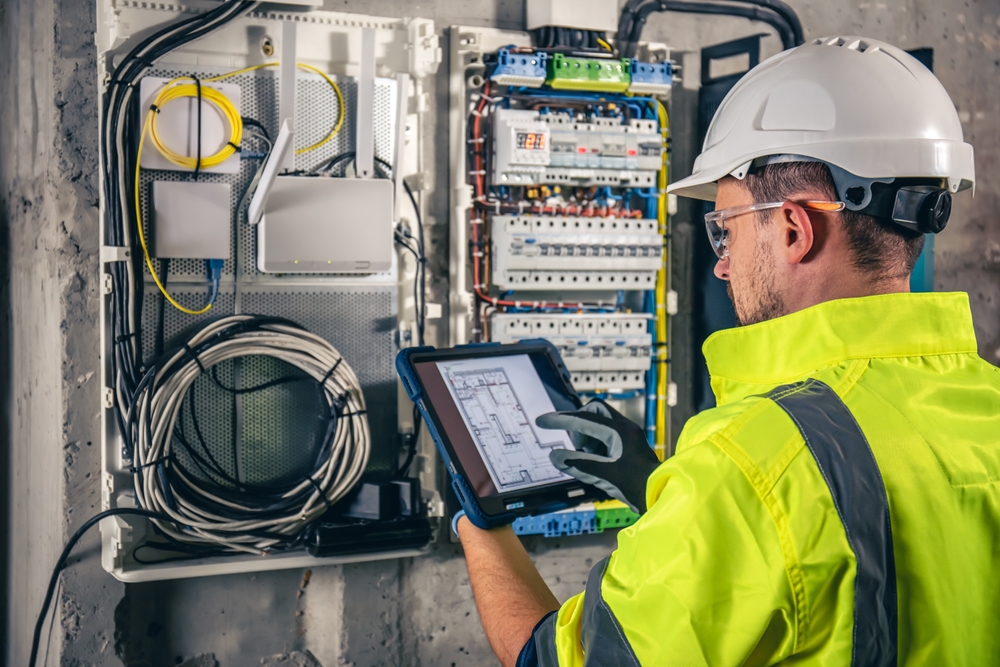
Electrical engineering employers rarely have the same workforce requirements as others in their field. Some need to strengthen technician capability, others need to develop future engineers or create progression into leadership and more advanced technical responsibilities.
Through partnership with the Lancashire & Cumbria Institute of Technology, employers can access flexible routes across multiple qualification levels.
Available pathways include:
Delivery options vary across programmes and providers and can include day release, block release, part-time study and apprenticeship models – that flexibility helps employers invest in workforce development without creating enormous disruption to day-to-day operations.
Electrical engineering qualifications support employees in building deeper technical capability, while also opening progression into a broad range of engineering careers.
Employees may continue developing towards roles including:
Many pathways also support progression into higher-level study and continued professional development.
For employers, this creates clearer internal progression routes while helping build long-term engineering capability across the organisation.
Tom Smith
Chief Executive of Complete
The Lancashire & Cumbria Institute of Technology works with employers across Lancashire and Cumbria to help tackle technical skills shortages and strengthen workforce capability across priority sectors.
Rather than offering generic training solutions, L&C IoT focuses on practical workforce challenges, including:
Training is delivered through partner institutions across Lancashire and Cumbria, giving employers access to specialist facilities, technical expertise and recognised qualifications closer to where their workforce is based.
If your organisation is exploring electrical engineering training, electrical and electronic engineering qualifications, engineering apprenticeships or workforce development opportunities in Lancashire or Cumbria, L&C IoT can help identify the right next step.
The starting point is understanding your operational pressures, workforce goals and where stronger capability could make the biggest difference.
Contact the L&C IoT team to discuss electrical engineering training opportunities for your business.