
The manufacturing sector has changed drastically in the last 20 years, transforming how we design and make products in Lancashire and Cumbria. Manufacturers are investing heavily in automation, robotics and digital technologies to improve their productivity and precision, but that means the skills they require from their workforce have changed too.
Employers are looking for technicians and engineers who can work confidently with advanced machinery and the digital tools that support modern manufacturing processes.
The Lancashire & Cumbria Institute of Technology (L&C IoT) brings together education providers from across the region to help manufacturers build these skills through higher technical education and industry-focused training.
Training is delivered through partner colleges across Lancashire and Cumbria, with pathways covering areas including automation, robotics, mechatronics, manufacturing engineering and digital & cyber technologies at a range of qualification levels.
These courses help employers strengthen their existing teams while supporting the next generation of technicians, engineers and manufacturing specialists.
Manufacturing technology continues to evolve, creating demand for skills that combine engineering knowledge with digital & cyber technologies and automated production.
Training opportunities available through L&C IoT reflect these changes – our courses support learning in areas that employers have told us are becoming increasingly important across advanced manufacturing, including automation, robotics, computer-aided engineering and connected manufacturing technologies.
For employers, this means access to higher technical education that complements existing workplace training and supports the long-term development of their workforce.
Recruiting experienced manufacturing professionals remains difficult across the manufacturing sector in Lancashire and Cumbria. Employers need individuals who can work confidently with automation, robotics and advanced machinery, but these skills are often in short supply.
The growing use of AI, additive manufacturing and mechatronic equipment is also changing the mix of skills manufacturers need. Many organisations are looking beyond traditional engineering experience towards employees who understand both manufacturing processes and the technologies driving them.
As competition for experienced technical staff continues, many employers are placing greater emphasis on developing existing employees and creating clear progression routes into higher-skilled manufacturing roles.
Advanced manufacturing brings together engineering, cutting-edge digital technology and intelligent automation. Training available through L&C IoT helps employees build broader technical knowledge that supports modern manufacturing across a wide range of industries.
While individual courses vary between colleges and qualification levels, many pathways are aligned with the technologies and practices shaping advanced manufacturing today.
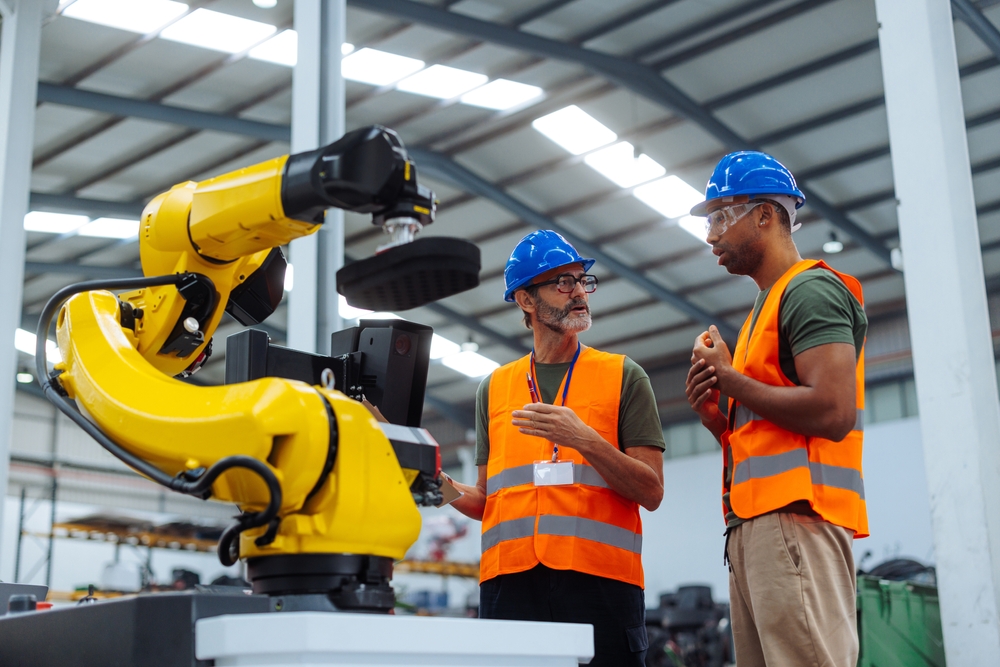
Automation has become a mainstay in aerospace, automotive and other advanced manufacturing sectors.
Training pathways offered through the L&C IoT introduce learners to topics such as automated equipment, robotics, mechatronics, industrial control technologies and the interaction between mechanical, electrical and digital systems.
Understanding these technologies helps employees adapt as manufacturing becomes increasingly automated.
Manufacturing processes utilise cutting-edge digital tools throughout the entire process nowadays, from product design right through to production and quality assurance.
Depending on the course, learners may explore areas such as computer-aided design (CAD), additive manufacturing (3D printing), digital modelling and manufacturing technologies that support more efficient design and production.
These skills support organisations adopting new manufacturing techniques and improving the way products move from concept to completion.
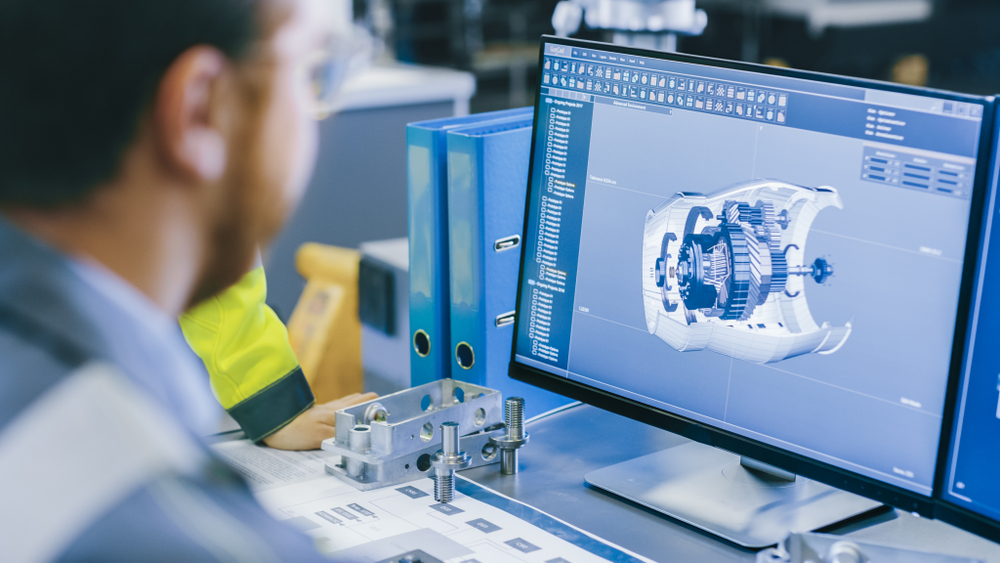
Manufacturing is becoming much more data-driven, with connected equipment giving businesses a clearer view of what’s happening across their operations.
Training introduces technologies linked to Industry 4.0, including AI-assisted manufacturing, machine learning and digital monitoring tools that help teams make better decisions.
Understanding how these technologies work helps businesses prepare for the future of manufacturing.
Many manufacturers already invest significantly in workplace learning. Higher technical education can strengthen this by providing structured progression and recognised qualifications that support long-term skills development.
Across the L&C IoT, employers can access training linked to areas including:
We also offer specialist manufacturing programmes that support sectors with their own unique challenges, such as nuclear and aerospace.
Pam Pinder
Head of People and Talent, ELE Advanced Technologies
Every manufacturer has different workforce priorities. Some are introducing automation for the first time, while others are investing in robotics, digital & cyber engineering or specialist manufacturing technologies.
Through the Lancashire & Cumbria Institute of Technology, employers can access higher technical education delivered by colleges across the region, to plug the skill gaps that the shift in manufacturing methods can create.
Available opportunities vary between providers and include higher technical qualifications, apprenticeships, degree apprenticeships and specialist manufacturing programmes.
Advanced manufacturing training can support progression into a broad range of technical careers.
Depending on the qualification studied, learners may move into roles including:
Many learners also continue into higher-level qualifications, helping employers build stronger internal progression pathways and retain valuable technical talent.
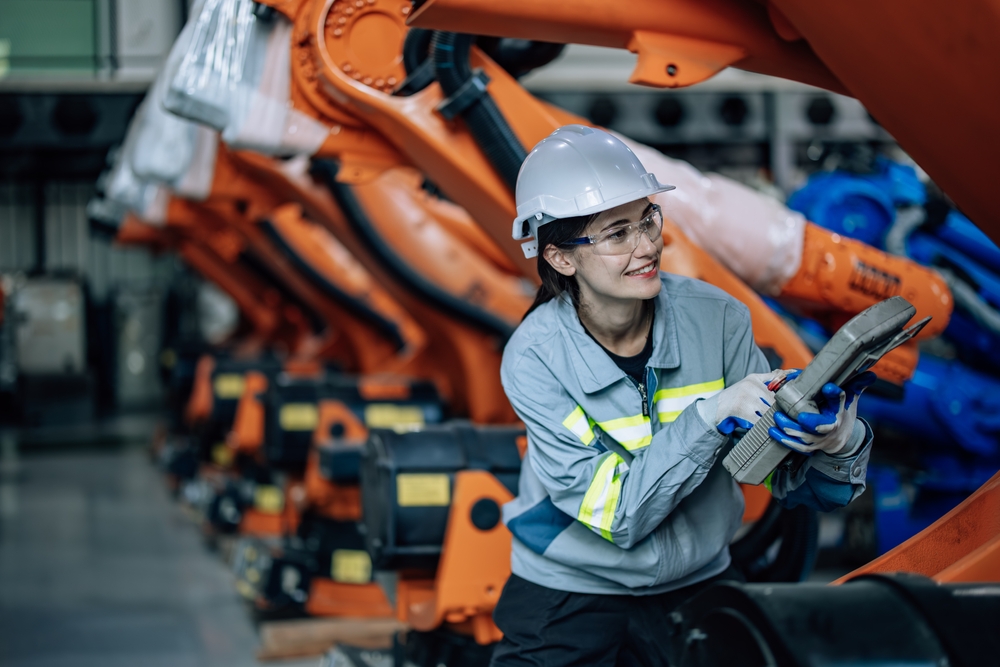
The Lancashire & Cumbria Institute of Technology works with employers across the region to help address skills challenges and support workforce development within priority sectors, including advanced manufacturing.
Rather than focusing on narrow job roles, L&C IoT supports the development of broader technical capabilities that align with the direction of modern manufacturing and emerging industry requirements.
This includes supporting employers to:
Training is delivered through trusted education partners across Lancashire and Cumbria, providing access to specialist facilities, technical expertise and recognised qualifications across the region.
If your organisation is looking to strengthen skills in automation, robotics, mechatronics, computer-aided engineering or advanced manufacturing technologies, the Lancashire & Cumbria Institute of Technology can help you explore the training opportunities available across Lancashire and Cumbria.
We’ll help you identify the courses that best match your workforce needs and long-term business goals.