Applied Science students gain real-world experience

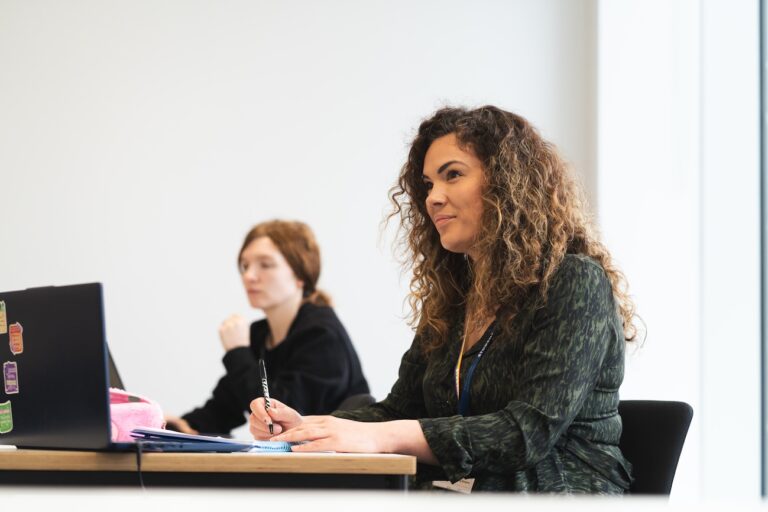
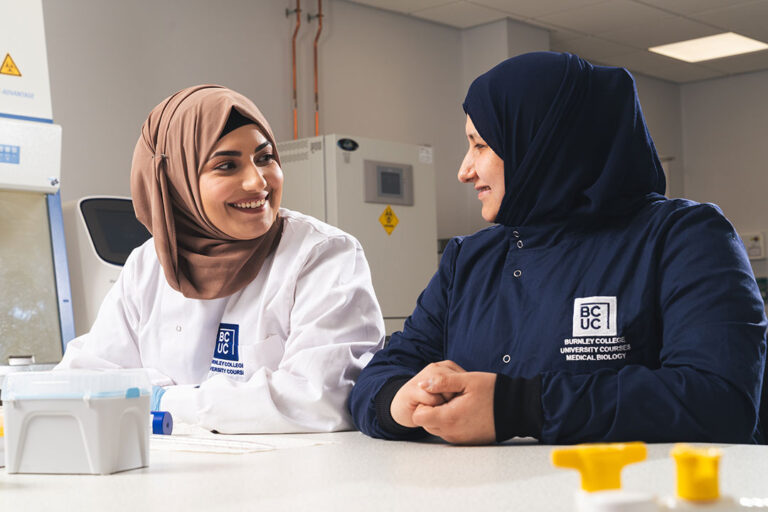
Students studying Applied Science at Blackpool and The Fylde College are developing practical laboratory skills, working with industry-standard equipment and collaborating with employers as part of the Lancashire and Cumbria Institute of Technology.

The Foundation Degree in Applied Science is delivered through the IoT partnership, giving students access to advanced facilities, employer-led projects and technical training designed to meet the needs of modern science industries.

Applied Science 4

Students studying Applied Science at Blackpool and The Fylde College are developing practical laboratory skills, working with industry-standard equipment and collaborating with employers as part of the Lancashire and Cumbria Institute of Technology.

The Foundation Degree in Applied Science is delivered through the IoT partnership, giving students access to advanced facilities, employer-led projects and technical training designed to meet the needs of modern science industries.

For Marshall Wills, 21, from Blackpool, who progressed to the course after studying Level 3 science at the college, the biggest difference has been the practical focus of the programme.

“The majority of the course is hands-on. Instead of just exams, we’re doing practical assessments that reflect what you would actually do in a scientific job.”

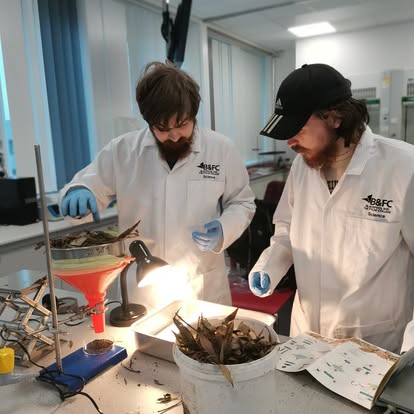
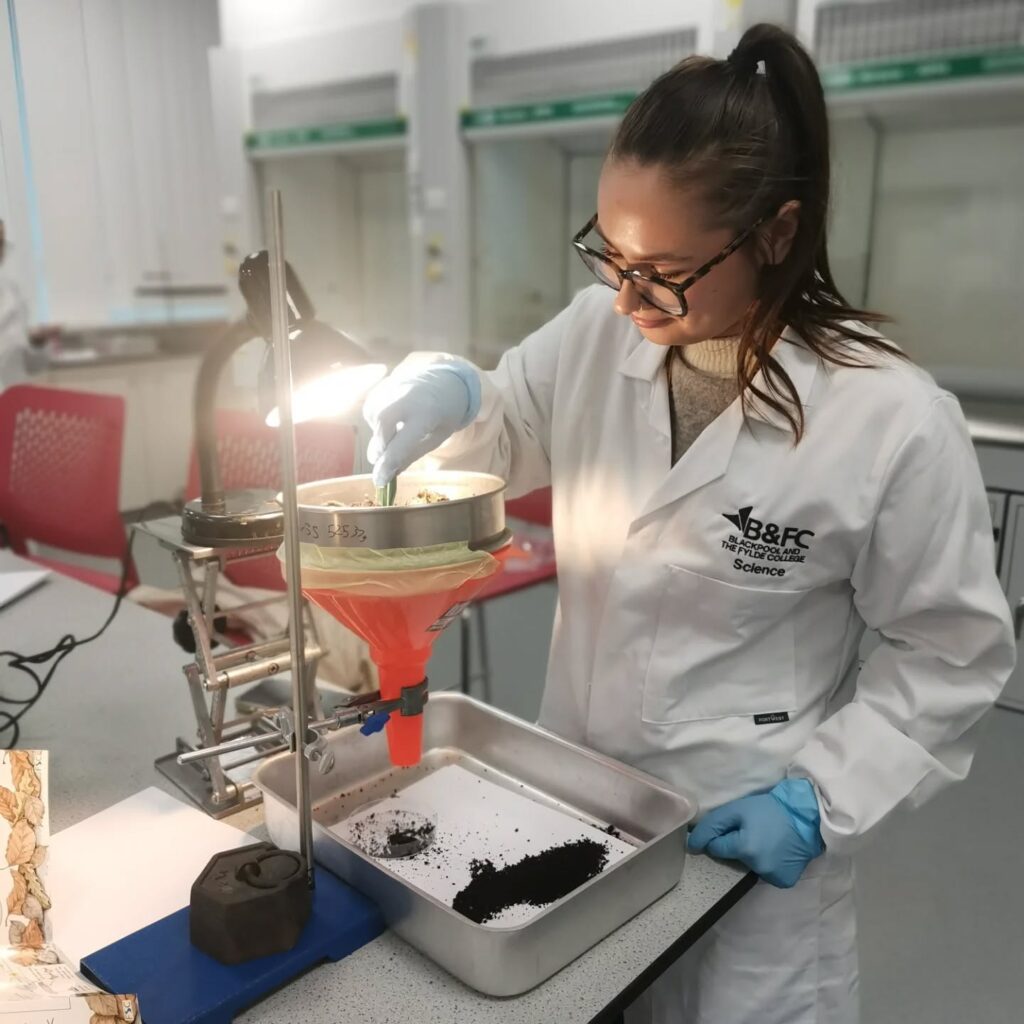
Students work in specialist laboratories equipped with advanced technology funded through the IoT partnership. Facilities include industry-standard fluorescence and electron microscopes, microbiology extraction hoods, spectrometry equipment and specialist incubators used for microbiological testing.

For fellow student Thomas Astin, 25, also from Blackpool, access to this equipment helps bring complex scientific concepts to life.

“Having the equipment makes a huge difference. You’re not just learning about techniques in theory – you’re actually using the tools that scientists use in real labs.”

The course has also been designed with significant input from industry partners including the Environment Agency, Thermo Fisher Scientific, AGC Chemicals Europe and Wyre Rivers Trust. 

Applied Science 3

Interim programme leader for health, education and science, Abi Wylde, explains that employers were directly involved in shaping the curriculum.

“We went round visiting labs and asking scientists what they wished they’d learned when they did their degree. One of the big things they said was project management, so we built that into the course.”

Students have already had opportunities to apply their skills through real-world projects. One recent collaboration with the Environment Agency involved analysing pollution levels in local waterways.

“We collected samples from different sites and tested them for bacteria and chemicals like nitrate and ammonia. It showed us that water that looks clean isn’t always clean when you analyse it properly.”

Students are currently working on independent research projects investigating plant-based alternatives to antibiotics using microbiology techniques.

“We’re testing things like garlic, turmeric and sage to see how effective they are against bacteria,” Marshall explains. “We grow bacteria on agar plates and measure the areas where they can’t grow.”

For Elena Turbucz, 38, from Blackpool, the opportunity to explore new areas of science has been one of the most rewarding aspects of the course.

“Everything is interesting because you are always learning something new,” she says. “It opens your eyes to different areas of science and helps you discover what you enjoy most.”

Originally from Romania, Elena joined the course after completing Level 3 Applied Science at the college.

“I decided to try it because I enjoy learning and discovering new things. This course gives you the opportunity to explore different pathways and see where it might take you.”

The programme also emphasises professional standards and safety within laboratory environments.

“We’re taught a lot about regulations, health and safety and lab standards because those are really important if you’re working in a laboratory,” says Marshall.

As part of the course, students also undertake work-based learning and are encouraged to gain experience through industry placements. For employers, this offers an opportunity to support the next generation of scientists while connecting with potential future recruits.

“Supporting education is something companies can really benefit from – but we’re always looking for employers to offer placements.”

For Marshall, studying through the IoT partnership has provided access to high-level training without needing to move away from home.

“You get university-level facilities and industry-relevant experience right here,” he says.

Applied Science Students

Thomas agrees the course provides flexibility for students still exploring their future careers.

“It opens lots of doors. You learn skills that are actually used in industry rather than just focusing on exam results.”

And for Elena, the message to anyone considering the course is simple:

“If you enjoy learning and want to try something new, this course gives you the opportunity to do it.”

Recent Health & Science Case Studies